Technology transfer centers to accelerate rural development
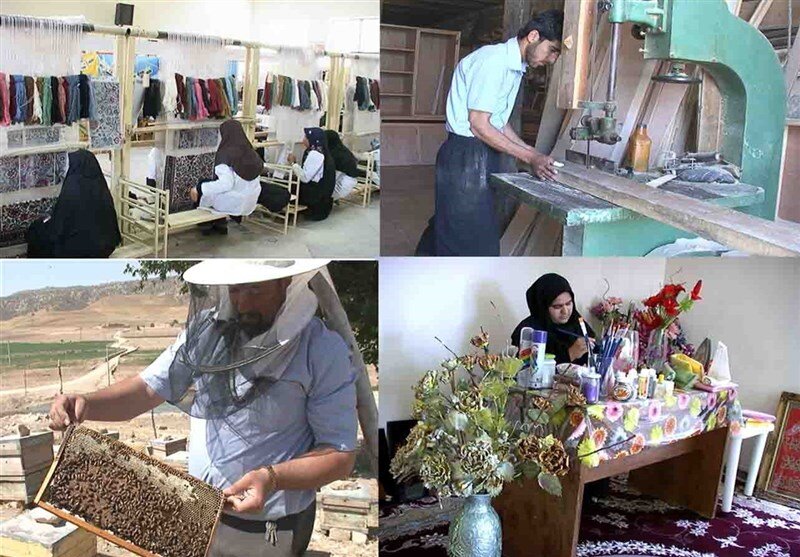
TEHRAN – Minister of Science, Research and Technology, Hossein Simaei-Sarraf, has said that the projected inauguration of seven technology transfer centers will accelerate rural development.
In an effort to further empower the workforce and transfer technology to rural areas, the ministry of science and the vice-presidency’s office for rural development signed a memorandum of understanding (MOU) on Monday, ISNA reported.
The country has taken great strides in the development of physical infrastructure in rural areas after the Islamic Revolution in 1979. There has been a 99-percent coverage of services such as electricity, safe water, gas, telephone, and internet access in villages with more than 20 households, Simaei-Sarraf highlighted.
Transferring technology to villages will not only have social and economic impacts, but will pave the way for sustainable employment, prevent rural-to-urban migration, and even reverse the migration trend, he noted.
The ministry of science will utilize all its capacities to support this initiative. Currently, the country has some 60 science and technology parks, 16,000 innovation centers, and 2,000 other units operating in the rural development sector. These companies are operating in different fields like energy, water, modern agriculture, processing industries, and handicrafts, which can play a significant role in rural development, the official further noted.
In 2025, the Vice President for Women and Family Affairs, Zahra Behrouz-Azar, said empowering rural communities is a prerequisite for the economic and cultural development of the country.
Referring to the difference between the concept of village and local community, the official said, “The rural areas’ economic activities involve agriculture, animal husbandry, crafts, and natural resources.
However, the local community has a broader concept and includes different groups of people, not only in rural areas, but also in urban neighborhoods, nomadic areas, and even digital communities. Local communities rely on social interactions, traditions, beliefs, and shared human relationships.”
In villages, the development of agricultural infrastructure, animal husbandry, health, and education are basic needs, while in local communities, issues such as preserving culture, fostering social interactions, and strengthening support networks are significant.
Referring to the fact that only 30 percent of the country’s population resides in villages, Behrouz-Azar said depopulation of rural areas will result in losing a significant proportion of cultural heritage, art, language, and lifestyle.
The official went on to urge universities and educational centers to utilize their knowledge and modern technologies to address current challenges in rural communities, help boost their productivity, and improve the quality of life of farmers, particularly women farmers, since they play a key role in empowering rural communities.
Financing the First Mile
World Rural Development Day is marked on July 6 every year. This year, it was marked under the theme ‘Financing the First Mile of Food Systems’. Rural communities are the ‘first mile’ of food systems: the places where food is grown, livelihoods are sustained, and resilience begins. They are home to nearly 80 percent of the world’s poorest people and stand at the frontline of food insecurity, climate shocks and migration pressures. Yet they also hold immense potential to strengthen food security, create economic opportunity and support long-term stability.
Investing in rural people means investing in the foundations of more resilient societies. When rural areas have the resources they need, communities are better able to withstand shocks, young people have greater reason to build their futures at home, and producers can contribute more fully to local, national, and global markets. Evidence indicates that increased investment in rural areas equivalent to one percent of a country’s gross domestic product can reduce international out-migration by nearly one percentage point (IFAD, 2026).
Unlocking this potential requires practical, sustained action: stronger value chains, wider access to finance, greater support for cooperatives and rural small and medium-sized enterprises, and better connections between producers and markets. Such investments can help turn vulnerability into opportunity and ensure that rural communities are recognized not only for the challenges they face, but for the essential role they play in shaping a more secure and sustainable future.
MT/MG
Leave a Comment